Type Trainings Part 147 and Base Training Part 66 B1/B2
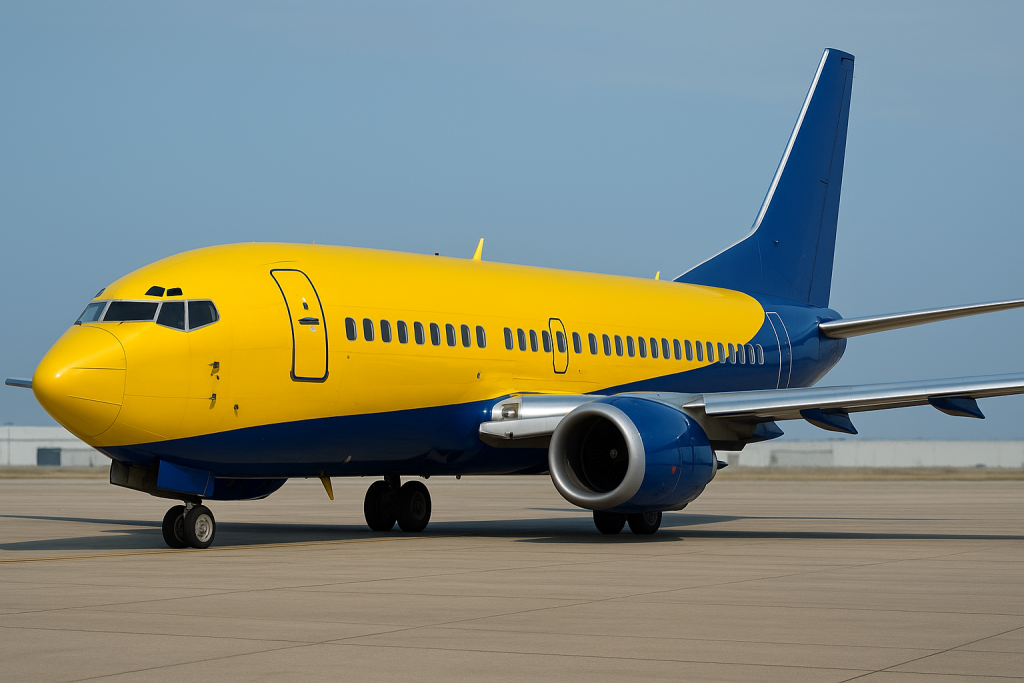
Type Training for Boeing 737 Classic, Boeing 737 NG and Boeing 737 MAX
These courses provide in-depth knowledge and practical skills essential for working with aircraft from the Boeing 737 family.
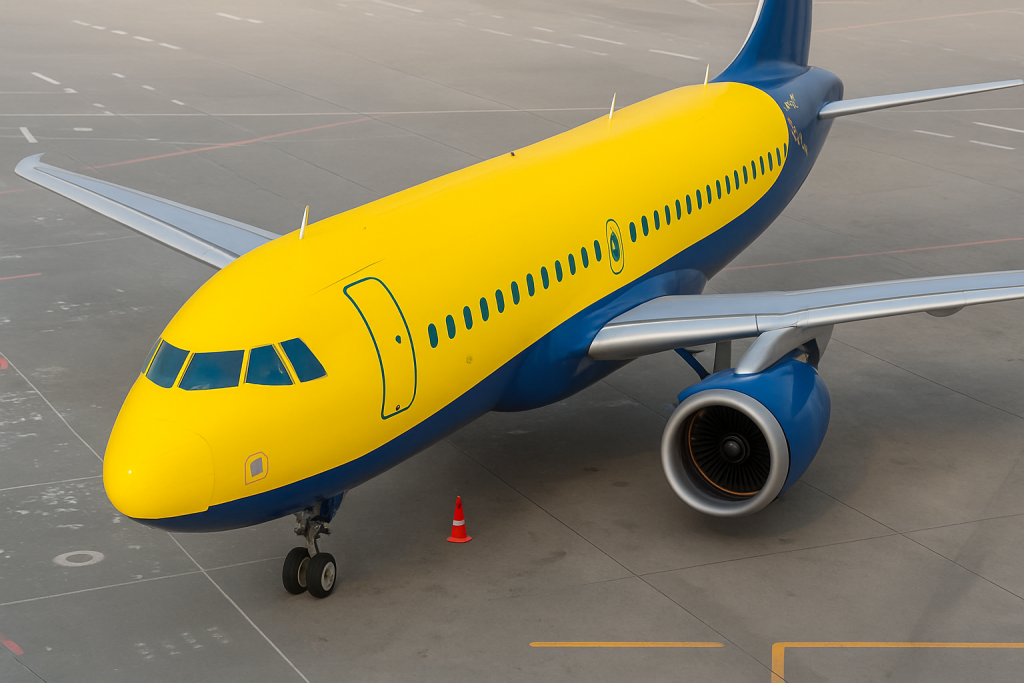
Type Training for Airbus A320 CEO/NEO
The program is designed for technical personnel who will work with the A320 Family (A318, A319, A320, A321), including the NEO versions.
Become a licensed aircraft maintenance engineer – choose a high-speed career!
From Aircraft Enthusiast to Certified Aircraft Technician The transition from watching planes at the fence to signing off on an aircraft is one of the most rewarding career shifts in aviation. Becoming an EASA Part 66 Licensed Engineer (B1 or B2) is the gold standard, recognized globally for its rigor and safety. Do you want a job with a future, high responsibility, and international recognition? Here is your roadmap to going from fan to flight-line professional. With an EASA Part-66 license, you'll open doors to the entire world in the aviation industry!
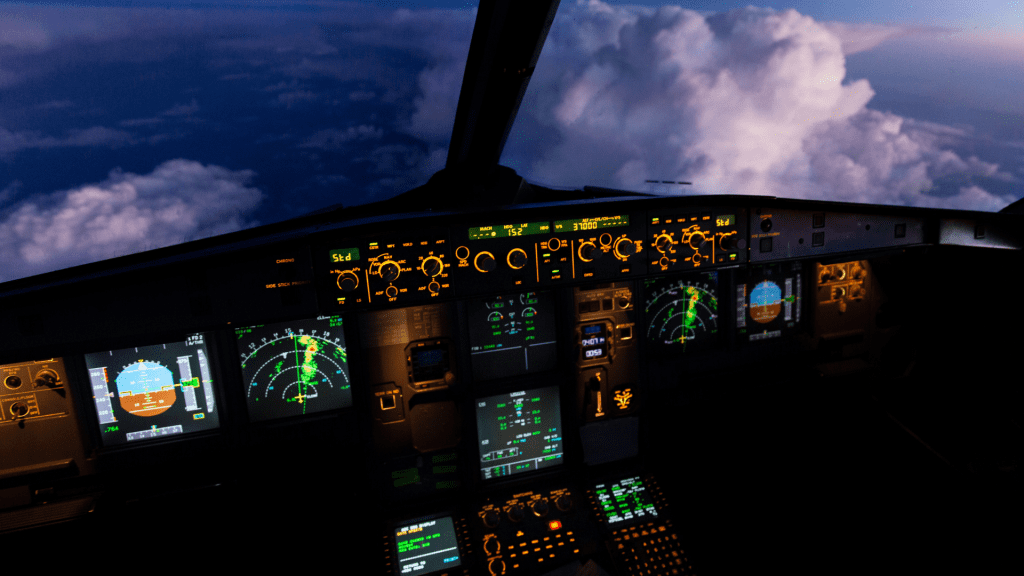
- Choose Your Path: B1 vs. B2
Before you start, you need to decide which “language” of the aircraft you want to speak.
- Category B1 – Mechanical: You are the “physician” of the aircraft. You focus on engines, airframes, hydraulics, and fuel systems. You get to work with turbine engines and massive structures.
- Category B2 – Avionics: You are the “neurologist.” Your world is radar, navigation, communication, and the complex “glass cockpit” computers that keep the plane on course.
- The Step-by-Step Process
Step 1: Enroll in a Part 147 Approved School
While you can “self-study,” the fastest route is through an EASA Part 147 Approved Training Organization (ATO). They provide a structured environment and significantly reduce the practical experience time required for your license.
Step 2: Master the Modules
You must pass a series of theoretical exams.
- B1.1 (Turbine Airplanes) requires 13 modules.
- B2 (Avionics) requires 12 modules.
Core Modules include: Mathematics, Physics, Electrical Fundamentals, Human Factors, and Aviation Legislation
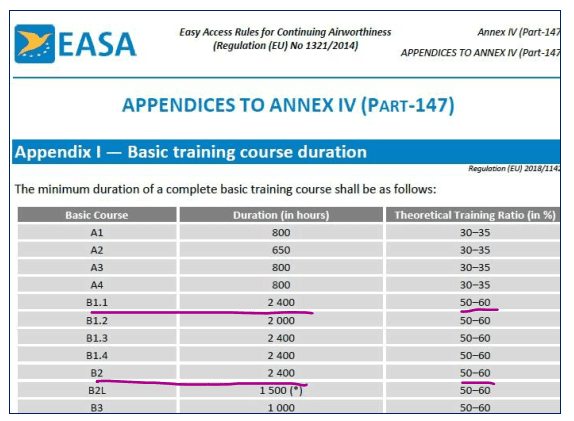
Full Basic Training course includes:
Theoretical training in all required modules, with access to modern study materials and qualified instructors
Practical training in a real aviation environment with experienced mentors
Exams and preparation for each module – conducted by an approved Part-147 organization: BAYRO Transport Academy
Certificate upon successful completion, recognized by aviation authorities across Europe
- Estimated Time Schedule
| Phase | Duration | Focus |
|---|---|---|
| Academic Training | 24 Months | Self-study plus instructor-led exercises and basic workshop practical skills development. |
| Examination Period | Concurrent | Passing all 12–13 EASA Part 66 modules usually 75% pass mark. |
| Practical Experience (OJT) | 2 Years | Working at a Part 145 Maintenance Organization. |
| Licensing Application | 1 - 3 Months | Review of logbook and assessment by the National Aviation Authority. |
| Phase | Duration | Focus |
|---|---|---|
| Academic Training | 24 Months | Self-study plus instructor-led exercises and basic workshop practical skills development. |
| Examination Period | Concurrent | Passing all 12–13 EASA Part 66 modules usually 75% pass mark. |
| Practical Experience (OJT) | 2 Years | Working at a Part 145 Maintenance Organization. |
| Licensing Application | 1 – 3 Months | Review of logbook and assessment by the National Aviation Authority. |
Step 4: The Logbook
Every task you perform—from changing a tire to testing a flight control computer—must be recorded in an official Experience Logbook and signed off by a licensed supervisor.
EASA Part 66 Basic Examinations include:
| Module | B1.1 | B2 |
|---|---|---|
| Module 1. Mathematics | ✔ | ✔ |
| Module 2. Physics | ✔ | ✔ |
| Module 3. Electrical Fundamentals | ✔ | ✔ |
| Module 4. Electronic Fundamentals | ✔ | ✔ |
| Module 5. Digital Techniques/Electronic Instrument Systems | ✔ | ✔ |
| Module 6. Materials and Hardware | ✔ | ✔ |
| Module 7A. Maintenance Practices | ✔ | ✔ |
| Module 8. Basic Aerodynamics | ✔ | ✔ |
| Module 9A. Human Factors | ✔ | ✔ |
| Module 10. Aviation Legislation | ✔ | ✔ |
| Module 11A. Turbine Aeroplane Aerodynamics, Structures and Systems | ✔ | |
| Module 13. Aircraft Aerodynamics, Structures and Systems - B2 | ✔ | |
| Module 14. Propulsion - B2 | ✔ | |
| Module 15. Gas Turbine Engine | ✔ | |
| Module 17A. Propeller - B1 | ✔ |
Why to choose BAIRO:
- EASA (Part-147) Approved Maintenance Training Organization
- Experienced team of aviation professionals
- Modern equipment and training facilities
- Flexible training schedules
- Assistance with internships and career placement in the aviation sector
Who is it suitable for?
- High school graduates with technical interests;
- Individuals seeking a stable international career;
- Current technicians who wish to obtain a license and advance their profession to a new level.
TA BAIRO – we train the future of aviation!
What we offer:
BAIRO Transport Academy offers a certified full basic training course under EASA Part-66 or basic examinations under EASA Part-66 for each of the modules listed below, in accordance with the requirements of the European Union Aviation Safety Agency (EASA), for the following categories:
- B1 – Mechanical systems and gas turbine engines
- B2 – Avionics and electronic systems
What the full training course includes:
- Theoretical training covering all required modules, with access to modern training materials and qualified instructors;
- Practical training in a real aviation environment with experienced mentors;
- Exams and preparation for each module – conducted in an approved Part-147 organization – BAIRO Transport Academy;
- Certificate upon successful completion, recognized by aviation authorities across Europe.
Quick Links:
Contacts
- j.k. Druzhba 2, ul. Deliyska vodenitza, bl. 330 fl. 6, Sofia - 1582
- office@bairo.eu
- +359 2 488 3555
- Mon - Fri 8:00 - 16:30
© Copyright 2026. All rights reserved.
